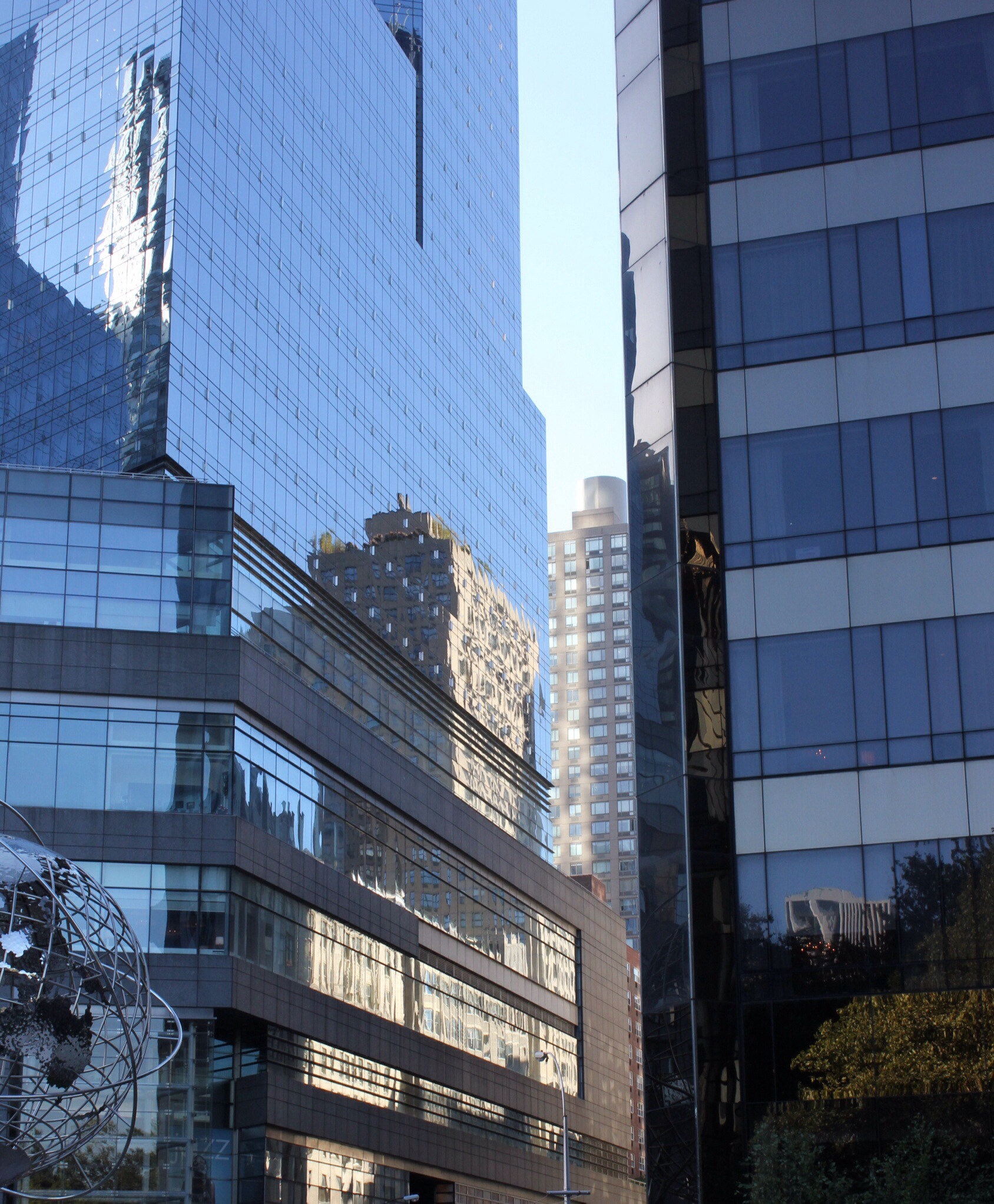
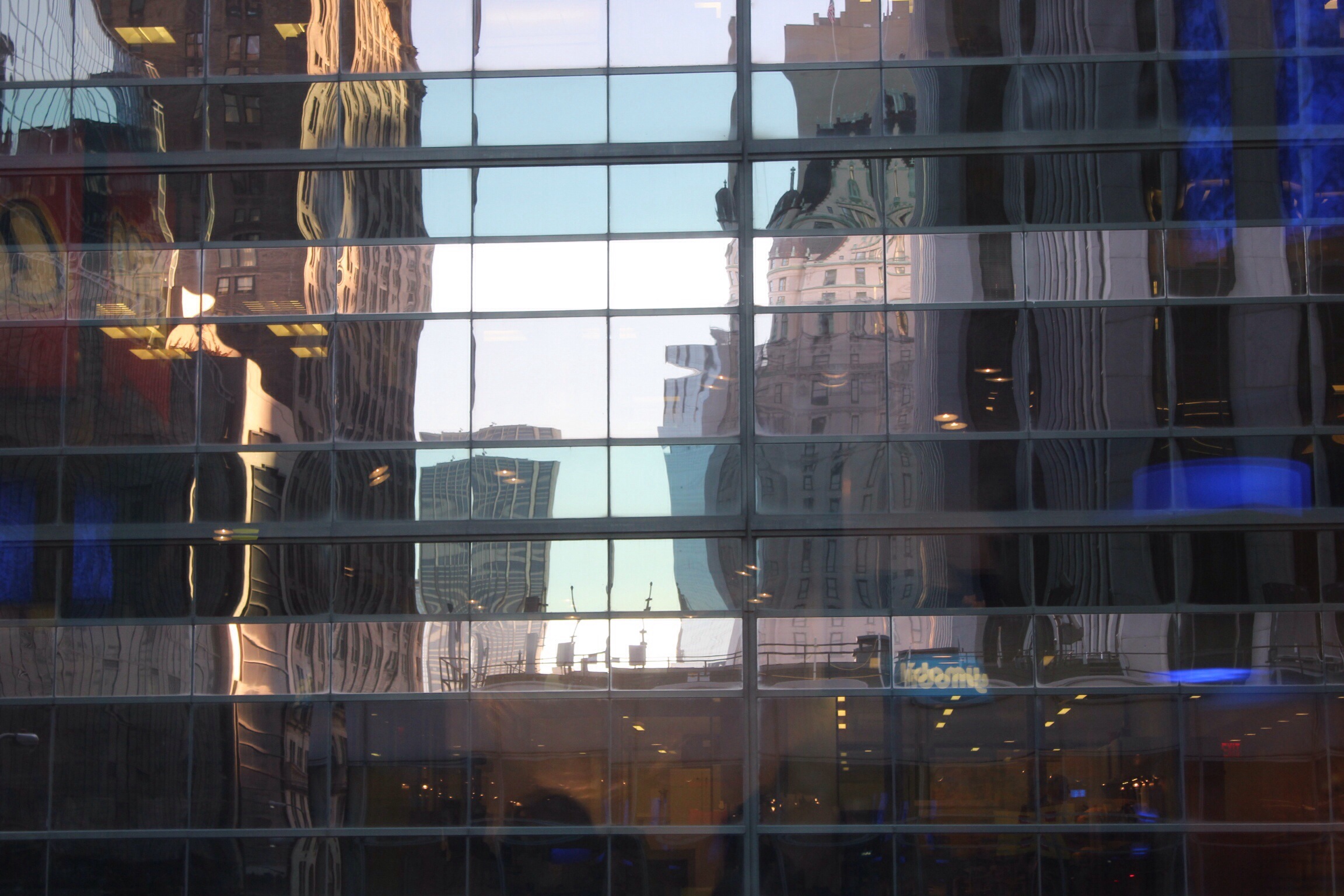
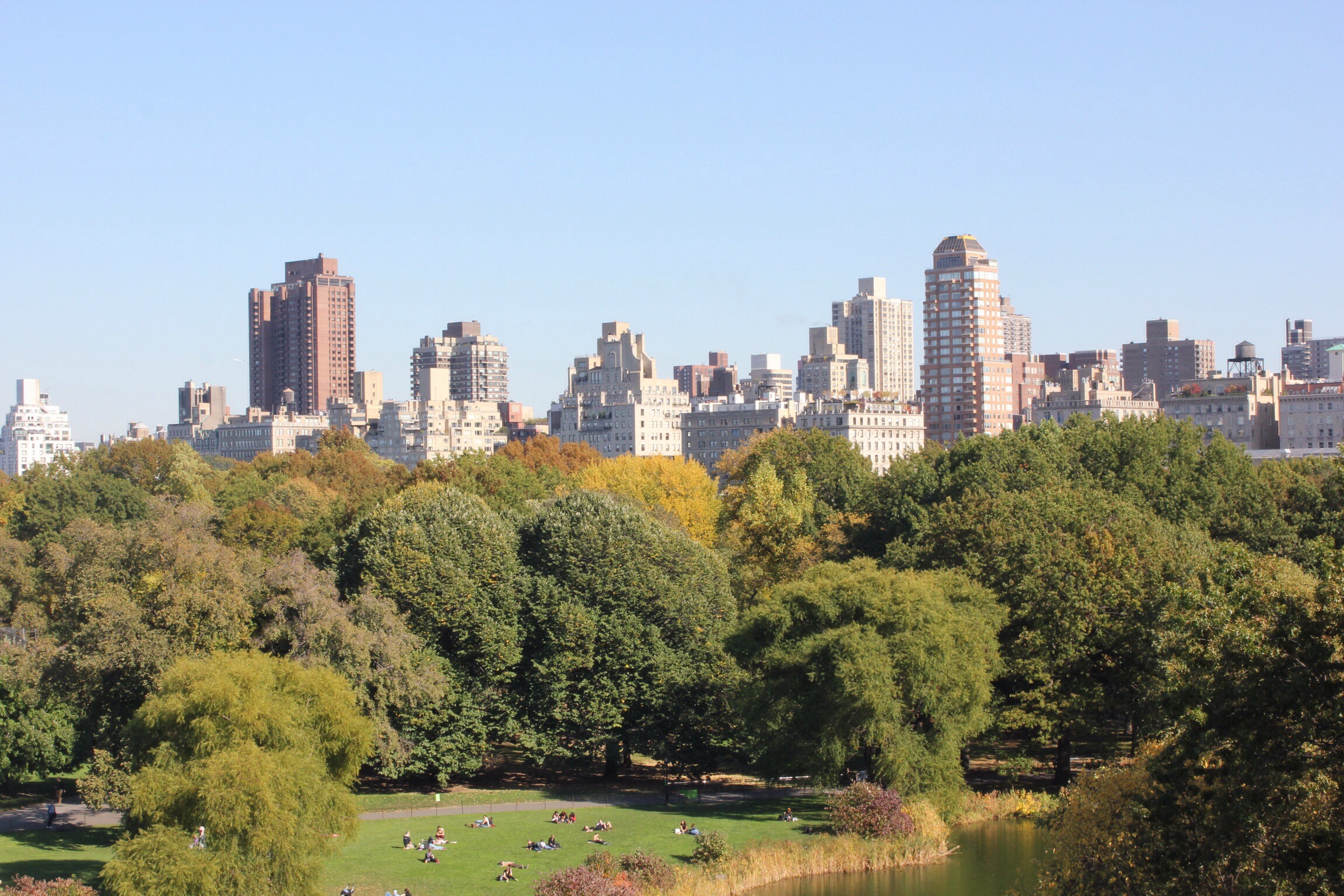
We took the subway into Manhattan, bought some lovely food and went to Central Park for a picnic. Big city!
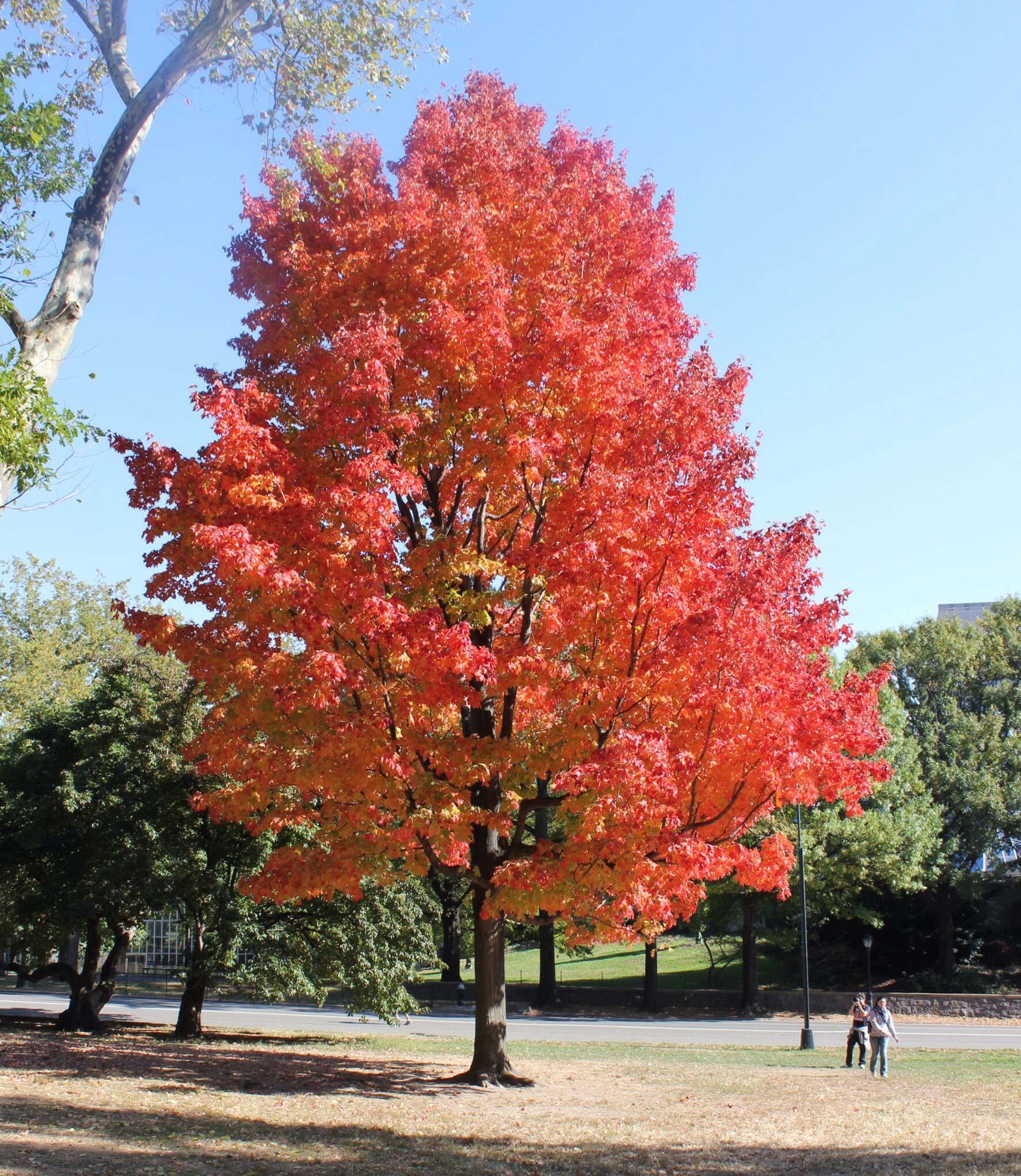
It was a beautiful sunny day, and Central Park was full of people running, walking their dogs and enjoying the weather. The park Is over 800 acres, and we spent hours walking. The leaves are just beginning to turn… in a few more weeks the park will be full of colour.
Ordering things for lunch.
New Yorkers must thank their lucky stars for Central Park!
My next encaustic workshop will be at Baldessin Press, near Melbourne, on the 24th and 25th of August. There are only eight places available for what will be a great weekend exploring encaustic and paper in beautiful surroundings. The studio was built by renowned printmaker and sculptor George Baldessin at St Andrews, largely from recycled materials.
Baldessin Press
This course will take an experimental approach to using encaustic on paper. You will learn how to collage prints together using encaustic, how to exploit the characteristics of wax to layer and combine imagery, and how to work into the surface with wax and pigment to create interesting and compelling surfaces. We will cover the health and safety aspects of encaustic, and setting up an encaustic studio, so that you are equipped to explore further on your own. The course is suitable for all levels of experience.
I’m really looking forward to it, because I love teaching, I love spending time in Melbourne (even when its cold), and I will enjoy visiting George’s studio. I’ve always admired his work.
I discovered some references to Wabi Sabi recently. The term seems to convey things that I am interested in expresssing in my work.
Wabi-sabi represents a comprehensive Japanese world view or aesthetic centered on the acceptance of transience and imperfection. The aesthetic is sometimes described as one of beauty that is “imperfect, impermanent, and incomplete”. Read about it here.
Characteristics of the wabi-sabi aesthetic include asymmetry, asperity (roughness or irregularity), simplicity, economy, austerity, modesty, intimacy and appreciation of the ingenuous integrity of natural objects and processes.
I spent today in the studio making transparencies for some large polymer intaglio plates I am planning. I love the way the wash reticulates on the film, and I hope it gives me a rich and complex surface to print.
Toner wash on film ready for transfer to polymer intaglio plates.
I’ve talked about my practice in terms of my interest in surface, and in mark making. Where to from here?
Earlier this year I lived and worked in Venice for a month where I made some large format prints of those crumbling Venetian walls. I have plenty of photographic material for new work about surfaces. I’ll let the images speak for themselves…
I’m also an explorer. When I make work, I hope for something outside of me to contribute something. It might sound a bit crazy, but it’s as if I’m only part of the process. I’m on a journey which hasn’t got a destination, so commonly, pieces of my work or series in my work are stops along the way.
Over time, I’ve learnt to trust my hand, so that I no longer throw things out, and I no longer regard things as ‘failed’. They will sit around the studio for months sometimes, until I can find the right place for them. I find time in the studio when I can get out of my head is the most productive. I play music or listen to the radio to facilitate the process of turning off my brain to let it happen.
Monoprint from brain scans, polymer intaglio and relief on tissue paper.Some years ago, I made a series of prints based on x-rays and scans of the body. X-rays have a kind of bloom on the surface which carries fingerprints and scars from being handled by doctor and patient. They seemed to me to be beautiful – the ghostly image, the passages of darkness and light – and the surface seemed to me to carry a message about what people were feeling about their bodies, their hopes and fears. As I explored these images I noticed a texture of fine striations of darkness and light, which looked like the weave of a fabric. Noticing the way wet ink often transferred to tissue paper laid between newly made prints, I developed a printing process which layered imagery on transparent papers onto the base print. This produced subtle colour shifts, and allowed for a lot of compositional experimentation.
Bone Ikat 7 X-rays, X-ray film, collaged tissue paper.
It was very liberating. I felt no longer tied to the information on the plate. I found I could make a series of different prints from one plate by altering the way I inked up and overlays of transparent paper on the base print. Now, I could print many different images from the same plates. I started to develop a library of plates, which I used in different prints by inking them in different colours and combining them with other plates in different ways. I stopped routinely making editions.
X-ray and brain scan, tissue paper, intaglio and relief polymer.
Well, it’s hard to explain in words, but for me the surface is something one almost feels, rather than sees. It is a visual texture which arouses feelings in me. From my first experience of printmaking, the way the ink could sit IN the paper, or ON the paper engaged me.
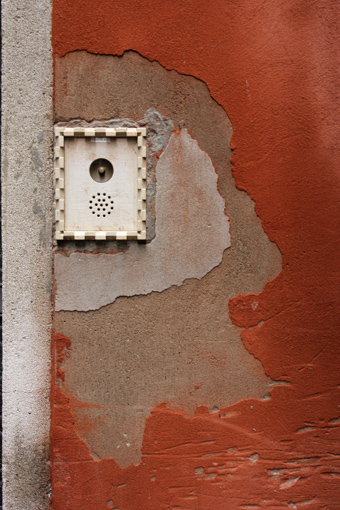
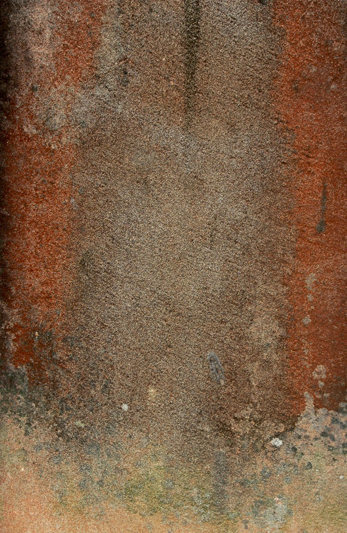
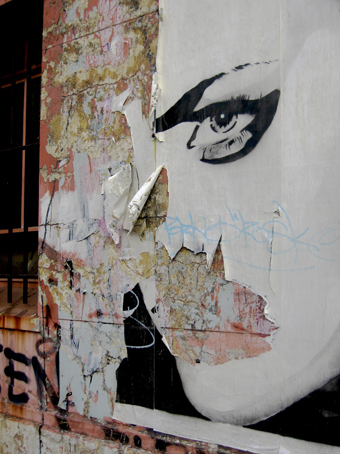
Here are some photographic images which illustrate this feeling for surface. They are mostly of walls. Here are images of age, weathering, distress, wear and tear. The images have been shot in New Zealand, Venice, Prague, Sydney, Tasmania – wherever I have travelled – and to me they have a great sense of place. However, I show people my travel photographs, and they say to me “But where did you actually GO?”
Gravestone, St Thomas Rest Park
When I travel, or at home here, I am often more interested in the walls or the stones beneath my feet than in the buildings, and I’m more interested in the way the people interact with the world they live in, rather than natural forms and surfaces. I feel these surfaces carry the stories of the people who have lived there, that they have changed over time, and you can see in the surface the record of those changes. There might be a nick here, or a scratch there, or a scrawl of graffiti. These walls can be sensitive, fragile and quiet, or they can be vibrant, colourful and energetic.
Yesterday I gave a talk at Manly Gallery to accompany the Leave Nothing but Prints Exhibition. Since I worked quite hard on it, (I find it very difficult to write about my own work) I thought I might publish it here, because it is an explanation of my approach. It was quite long, so I’ll have to publish it in a few parts.I hope you find it worth reading. This first part is illustrated with my photographs.
Why do I make prints?
The things that attracted me to printmaking were things I couldn’t find in painting, though others might. I am immensely attracted to paper, because I am really attracted to the surface of things. I make the joke that I am deeply superficial!
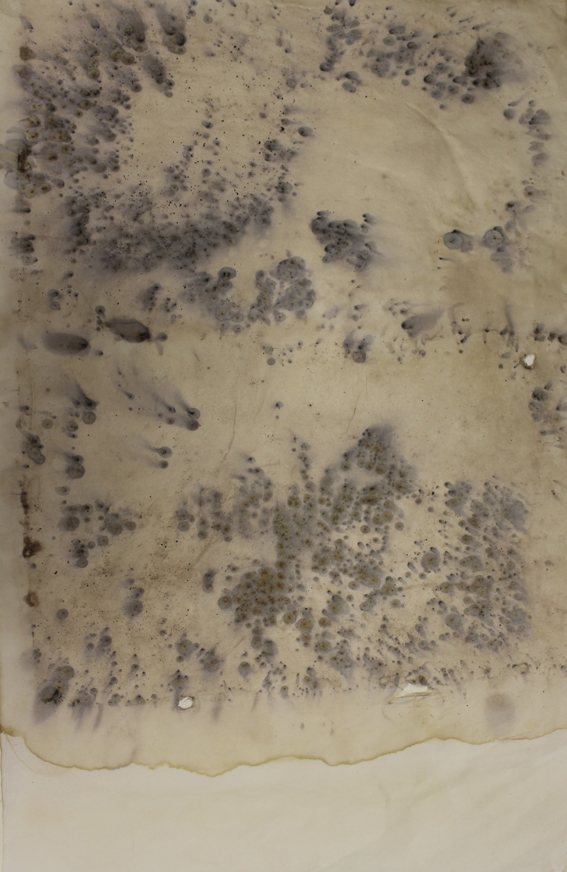
Through printmaking, I work with the paper, layering the images onto it, and trying to make the most of those happy accidents that are the gift of the printmaking gods from time to time. I look for marks I can make to create a seductive surface which will draw the viewer in. I have grown to love the random, the accidental, the gestural where the nature of the marks I make leaves room for a kind of visual exploration of the surface.
My images are about surface, rather than form, line, colour and so on. I am attempting to evoke a feeling, or a mood, through the surfaces I create.












 BOX OF BIRDS